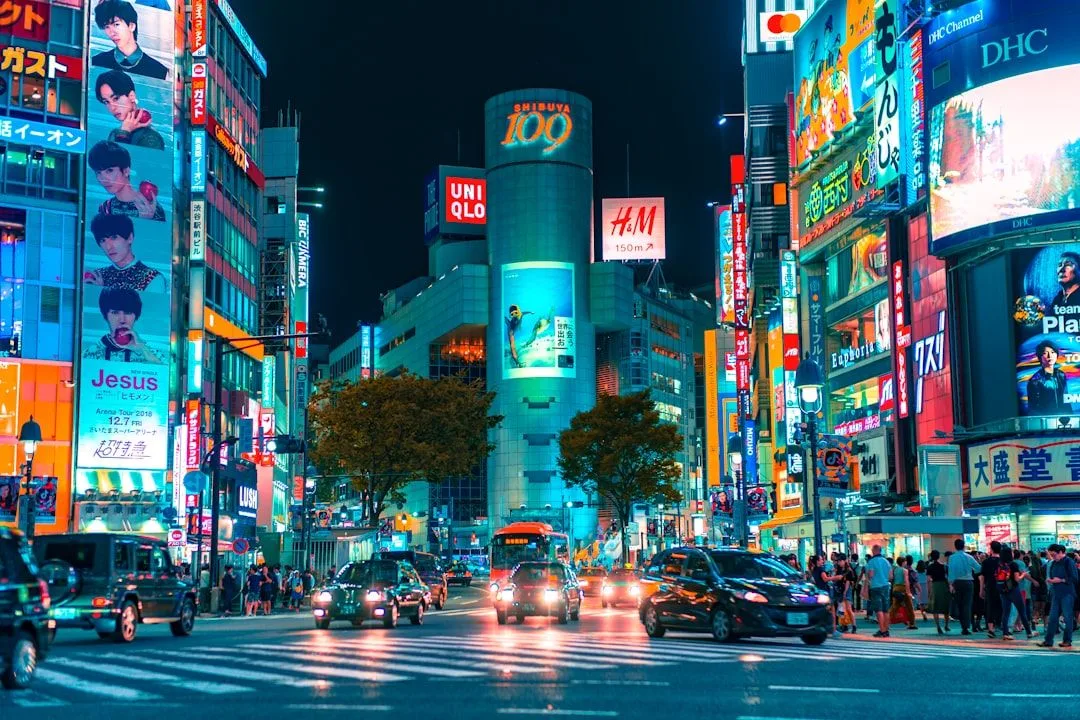
Suggesting a rental car in Japan sounds like bad advice. The shinkansen is fast, punctual and reaches most of the country, and city driving is a nuisance. But roughly half of Japan by area is poorly served by rail, and it happens to include some of the best of it.
Where the car wins
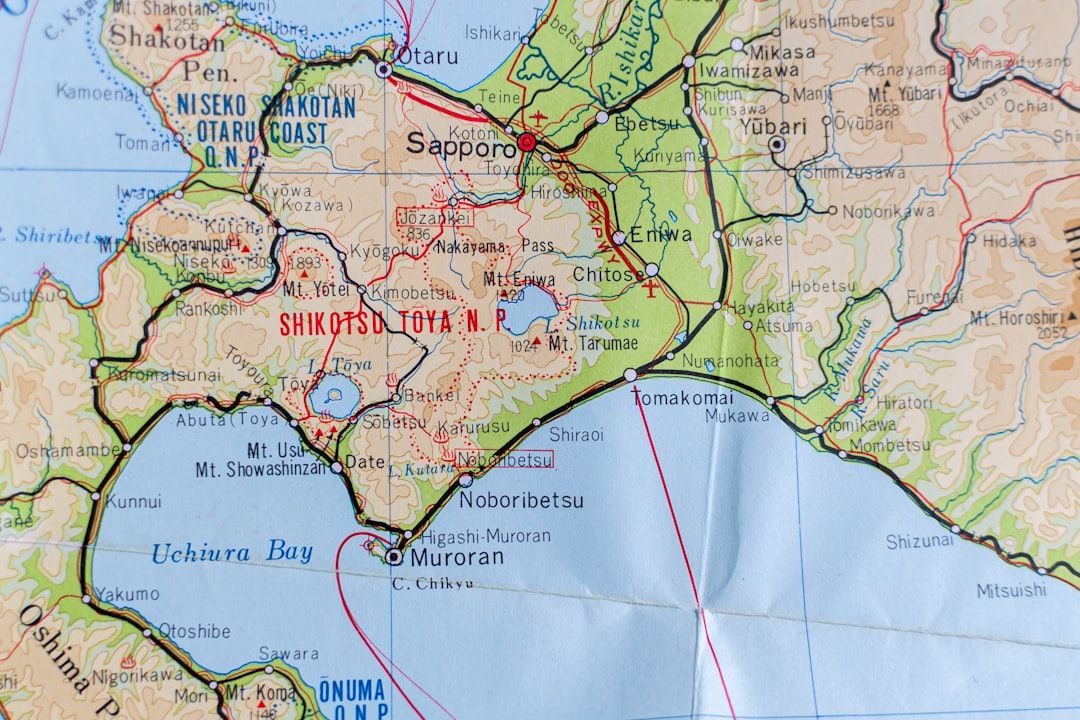
Hokkaido. The clearest case. The island is the size of Austria with a fraction of the rail density, and the national parks — Daisetsuzan, Shiretoko, Akan — are effectively unreachable without a vehicle. Distances are long, roads are wide and empty, and it is the one part of Japan that feels like a driving country.
Okinawa. The main island's bus network is slow and limited, and the beaches and northern forest are spread out. Nearly every visitor rents here.
The Noto Peninsula and the Sea of Japan coast. Fishing villages, terraced rice fields down to the water, almost no other tourists.
The Japanese Alps, for the mountain roads and onsen towns off the rail lines.
Shikoku's interior and rural Kyushu, both of which have trains that trace the coast and leave the middle empty.
Where it loses badly
The Tokyo–Kyoto–Osaka corridor. The shinkansen does Tokyo to Kyoto in 2h15; driving takes over five hours and costs roughly 11,000 yen in tolls plus fuel. City parking is expensive and often involves mechanical tower garages. There is no argument for it.
The licence rule that catches people
This is worth checking before booking anything. Japan accepts International Driving Permits issued under the 1949 Geneva Convention only. Permits issued under the 1968 Vienna Convention are not valid, which affects drivers from a number of European countries.
Separately, holders of licences from Switzerland, Germany, France, Belgium, Monaco, Slovenia and Taiwan cannot use an IDP at all and instead need an official Japanese translation of their licence, obtainable through JAF or their embassy.
Rental counters check this properly and will refuse the car. Sort it at home.
Tolls, and the passes that fix them
Japanese expressway tolls are genuinely expensive at around 25 to 30 yen per kilometre. A few long legs will exceed the rental cost.
The fix for visitors is a regional expressway pass — Hokkaido, Tohoku, Central Nippon and Kyushu all offer them, sold only to foreign passport holders with an IDP, giving unlimited expressway use for a set number of consecutive days. On a Hokkaido touring route these pay for themselves within two or three days. Buy at the rental counter when you collect the car.
Ordinary national routes are toll-free and often more scenic, just slower.

Practical driving
Japan drives on the left. Standards are high and courteous, roads are immaculate, and signage on major routes includes English. Speed limits are low by European standards — typically 80 to 100 km/h on expressways and 40 to 60 on ordinary roads — and are enforced.
The navigation systems in rental cars accept telephone numbers as destinations, which is far more reliable than attempting an address. Get the phone number of your hotel or the attraction and enter that.
Winter in Hokkaido and the Alps means genuine snow. Rentals there come with winter tyres from roughly December to March, and this is not a formality — confirm it when booking.
Costs
| Item | Typical |
|---|---|
| Compact car, per day | ¥6,000–9,000 |
| Fuel, per litre | ¥160–185 |
| Expressway tolls | ¥25–30/km |
| Regional expressway pass, 5 days | ¥12,000–20,000 |
| City parking | ¥300–600/hour |
The sensible shape of a Japan trip is therefore hybrid: shinkansen between the major cities, then pick up a car for the Hokkaido or Noto or Kyushu portion and drop it before returning to the corridor. That gets both networks working where each is strongest.