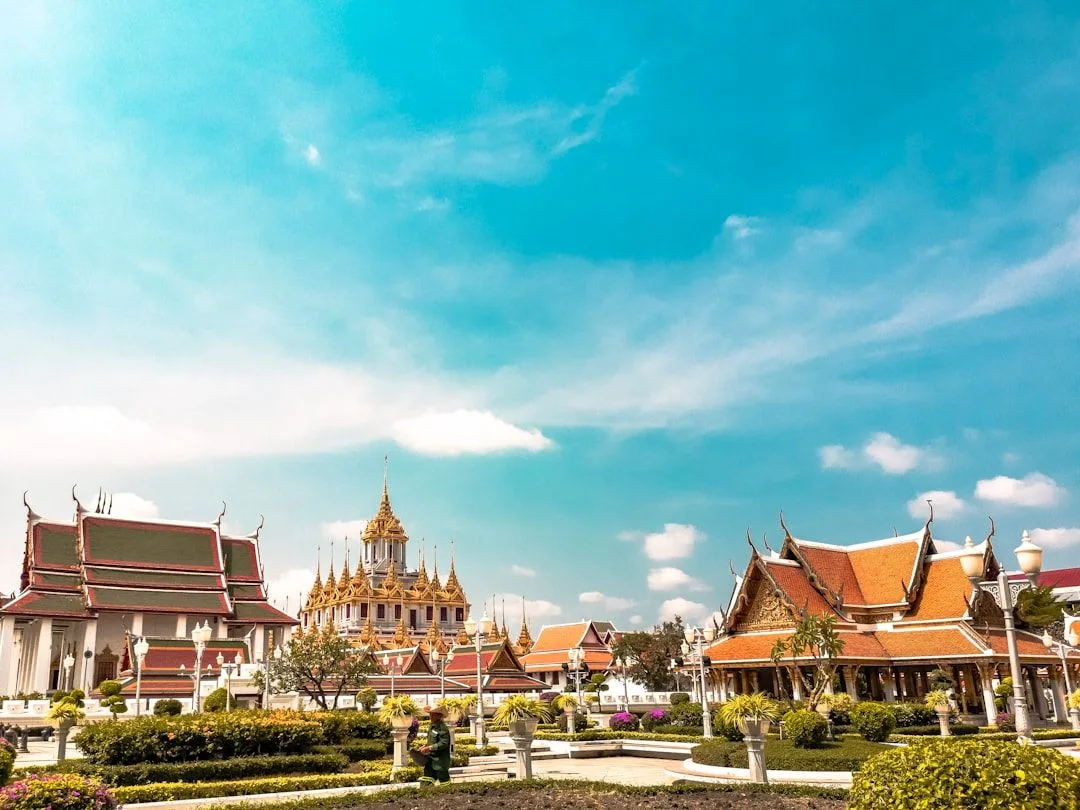
Thailand splits cleanly into places where a car is a burden and places where it unlocks the best of the country. Bangkok is emphatically the first kind. The north and the southern coasts are the second.
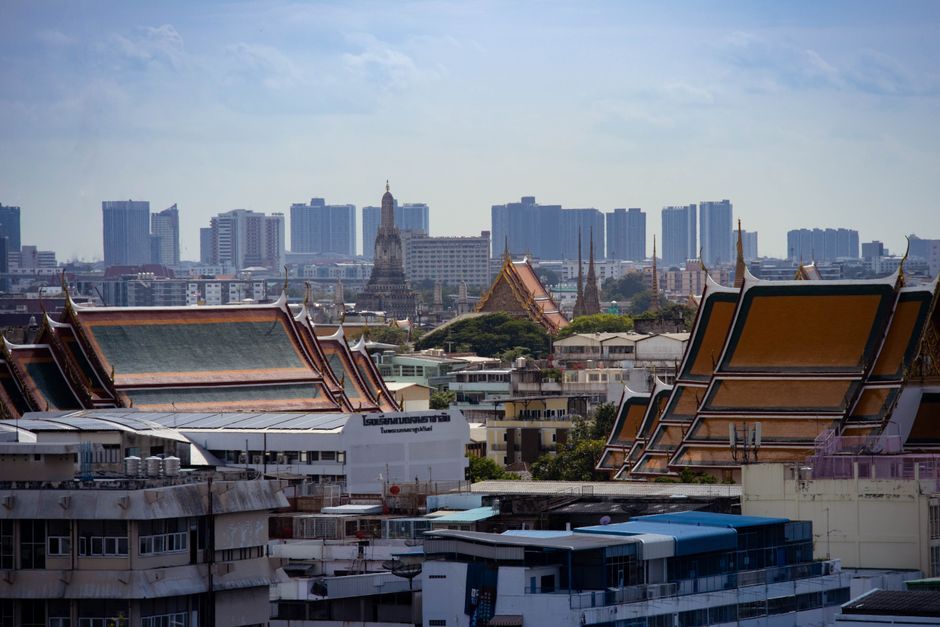
Do not rent in Bangkok
Bangkok's traffic is genuinely among the worst in the world, parking in the central districts is scarce and expensive, and the alternatives are excellent. The BTS Skytrain and MRT are cheap, air-conditioned and fast; the Chao Phraya express boats are both transport and sightseeing; and Grab covers everything else for a few dollars.
A rental car in Bangkok means paying for a vehicle to sit in a hotel car park and then sitting in traffic in it. There is no version of this that works.
Where a car is genuinely worth it
The north, from Chiang Mai. This is the strongest case in the country. The Mae Hong Son loop — Chiang Mai, Pai, Mae Hong Son, Mae Sariang and back — is roughly 600 kilometres of mountain road with 1,864 curves, and it is one of the great drives in Asia. Doing it by car rather than motorbike is the sensible choice for anyone who is not an experienced rider.
Krabi and the mainland south. Beaches, hot springs and viewpoints spread across an area with thin public transport. A car turns three separate day tours into one flexible day.
Hua Hin and the gulf coast, for the same reason.
Not the islands. On Koh Samui, Koh Lanta or Phuket the distances are short and songthaews and Grab are easy. A car is mostly a parking problem.
The licence and insurance issue
Thailand requires an International Driving Permit alongside your home licence. Checkpoints are common on the roads out of Chiang Mai and in the south, and they do ask.
The permit matters less for the fine than for the insurance. Without a valid licence for the vehicle, an insurer has grounds to decline the claim, and Thai private hospital costs after a serious accident run into tens of thousands of dollars. Get the IDP at home before you travel; it cannot be issued in Thailand.
Rent from the international agencies or a well-reviewed local firm at the airport rather than a shopfront that wants to keep your passport. Holding a passport as deposit is common and is a bad idea — offer a cash deposit or a card instead.
The motorbike trap
This deserves stating directly because it ruins more trips than anything else in Thailand. Motorbike accidents are the leading cause of serious injury to foreign visitors, and most travel insurance excludes them unless you hold a motorcycle licence valid for that engine size at home and were wearing a helmet.
Rental shops will hand a 150cc bike to anyone with a passport and no questions. That is not evidence that you are covered — it is evidence that they are not the ones carrying the risk.
If you want two wheels, get the licence at home first. Otherwise take the car, which costs perhaps 800 baht a day rather than 250 and removes the entire exposure.
Driving conditions
Thailand drives on the left. Main highways are well surfaced and signposted in Thai and English. Outside the cities traffic is light and driving is relaxed.
Two local habits to expect. Motorbikes filter constantly and from both sides, so mirror checks matter more than at home. And overtaking on two-lane rural roads is done more optimistically than you may be used to — leave room rather than contesting it.
Fuel runs around 35 to 42 baht a litre and stations are frequent on main routes, sparser on the mountain roads in the north. Fill up in Pai before the Mae Hong Son stretch.
What it costs
| Item | Typical |
|---|---|
| Compact car, per day | 800–1,300 THB |
| Fuel, per litre | 35–42 THB |
| Mae Hong Son loop fuel | ~1,200 THB total |
| Motorbike, per day | 200–350 THB |
Four days of car rental in the north is roughly 4,000 baht including fuel, split between two people. Against the cost of organised tours to the same places, it is usually cheaper and always more flexible.