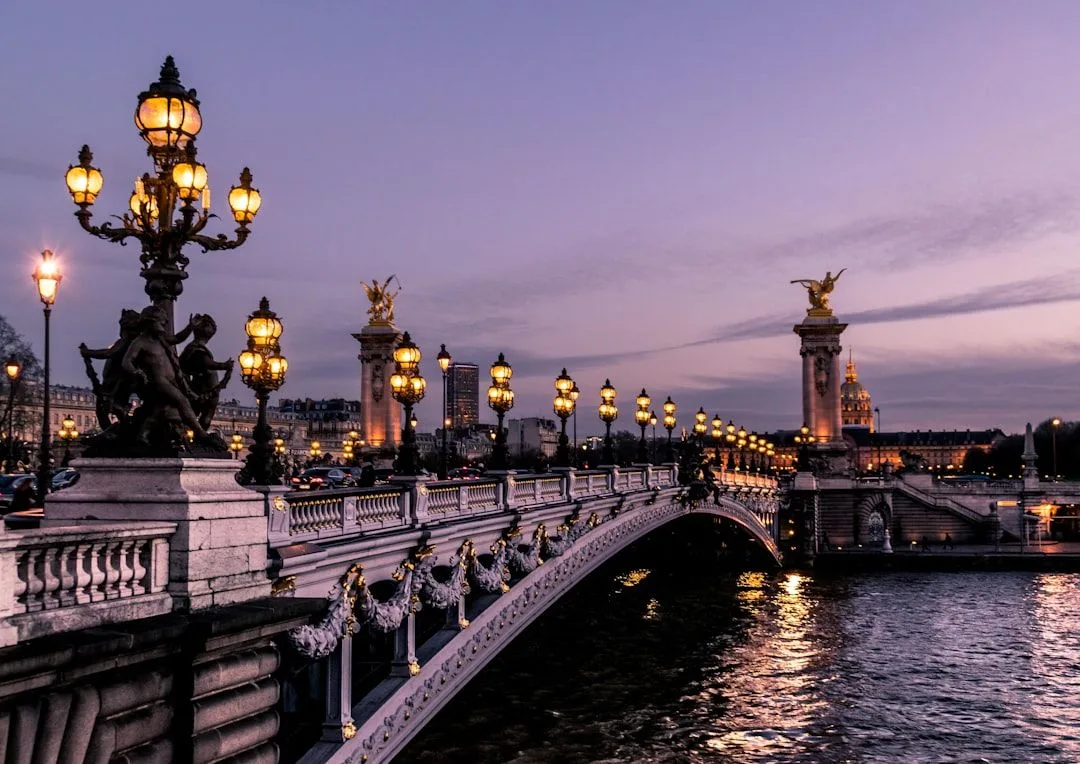
Nobody needs convincing not to drive in Paris. What gets missed is the other half: a car collected on the morning you leave the city turns three otherwise awkward regions into easy trips.
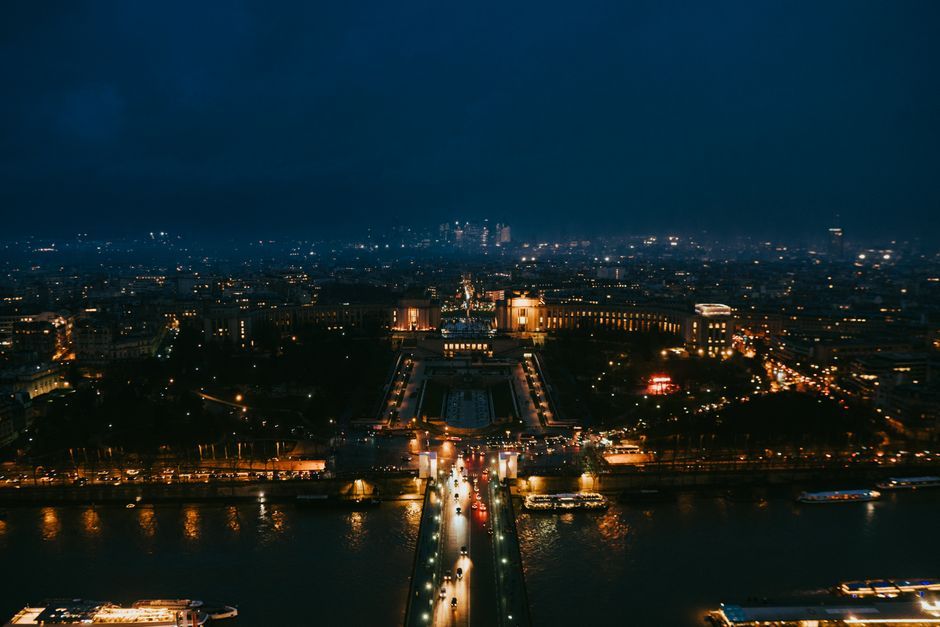
Why the city is a no
Beyond the traffic and the price of parking — 30 to 45 euros a day in a central garage — Paris operates a low-emission zone requiring a Crit'Air sticker on the windscreen. French rentals normally have one, but confirm it at pickup, because driving in without a valid disc risks a fine of around 68 euros.
Meanwhile the metro reaches everything, the RER handles Versailles and the airports, and a Navigo pass costs less for a week than a single day of parking. There is no case for a car inside the périphérique.
The practical arrangement: stay in Paris car-free, then collect a rental from a Gare Montparnasse or Gare de Lyon depot on the morning you head out.
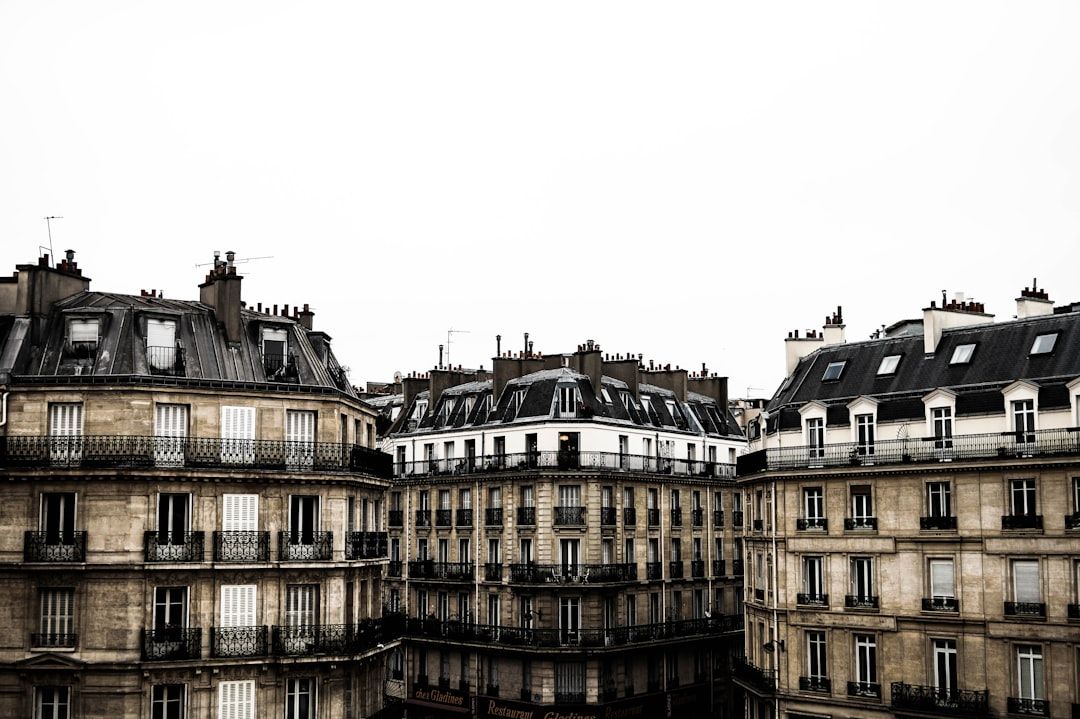
Route one: Normandy
Northwest, about 90 minutes to Giverny, where Monet's garden and water lily pond are, then on to Rouen with its cathedral and half-timbered old town. That is a comfortable day.
Extend it to two and you reach the D-Day beaches — Omaha, Arromanches with the remains of the Mulberry harbour, the American cemetery at Colleville. These are spread along 80 kilometres of coast with limited public transport, which is exactly the case for having driven.
Étretat's chalk cliffs are the other worthwhile stop, and are also effectively car-only.
Route two: the Loire
The strongest argument for a rental in France. The châteaux are scattered across countryside between Orléans and Angers, and while a few are reachable by train, seeing three or four in a day is a car activity.
Base in Amboise, roughly two and a half hours from Paris. From there Chenonceau — the one built across the river — is fifteen minutes, Chambord with its double-helix staircase is under an hour, and Villandry's gardens about forty minutes.
Two nights beats one. The roads between the châteaux run through vineyards and are pleasant driving in themselves.
Route three: Champagne
East, about ninety minutes to Reims. The cathedral is where French kings were crowned, and the major houses offer cellar tours. Épernay, twenty minutes further, has the Avenue de Champagne with the chalk cellars beneath it.
The obvious caution: if you are tasting, someone is not drinking. The alcohol limit in France is 0.5 g/l, lower than in the UK or much of the US, and it is enforced with roadside checks. The smaller growers in the villages around Épernay are the better visit anyway, and are only reachable by car.
Costs and mechanics
| Item | Typical |
|---|---|
| Compact rental, per day | €40–70 |
| Fuel | €1.75–1.95/litre |
| Autoroute tolls | €8–10 per 100km |
| Paris central garage | €30–45/day |
At toll booths, use the lanes marked with a card symbol and avoid those showing an orange 't', which are for télépéage subscribers only and will leave you reversing out.
Book an automatic explicitly if you need one — manual is standard in France and automatics carry a premium. And French villages have a default 50 km/h limit that drops without much warning; the speed cameras are frequent and the fines follow the rental company home.