
Italy is one of the most rewarding countries in Europe to drive and the easiest to accumulate fines in. Almost all of the cost is avoidable, and it comes down to one rule about town centres.
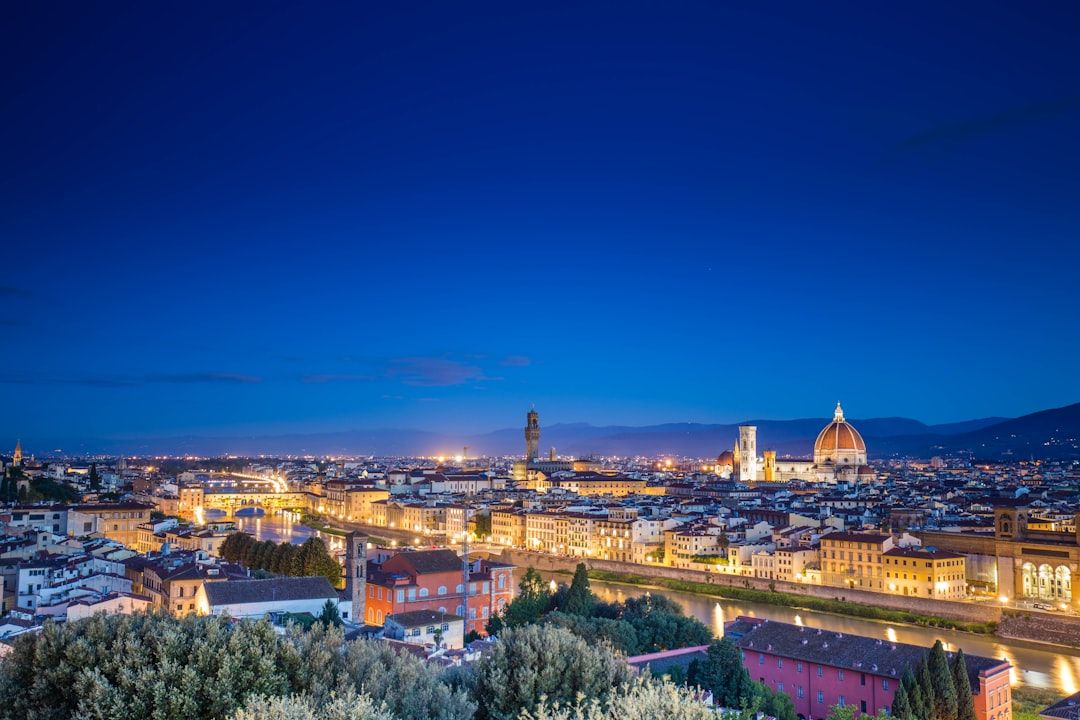
ZTL: the expensive mistake
Nearly every Italian historic centre is a Zona a Traffico Limitato — a camera-enforced restricted zone. Drive in without a permit and you get a fine of 80 to 120 euros. Multiple entries mean multiple fines.
They arrive months later through the rental company, which adds an administration charge of 30 to 50 euros for each one. People routinely discover four or five fines a year after their holiday.
Your GPS will route you straight through them. Navigation apps treat ZTL roads as ordinary roads because the restriction is a time-based rule, not a physical closure.
The habit that prevents all of it: when approaching any old town, follow the blue "P" signs on the ring road and park outside the walls. Italian centres are small — the walk in is five to ten minutes. If you see a round white sign with a red border reading Zona Traffico Limitato, do not pass it, whatever the satnav says.
Hotels inside a ZTL can usually register your plate for temporary access, but you must give them the number in advance and confirm they have actually done it.
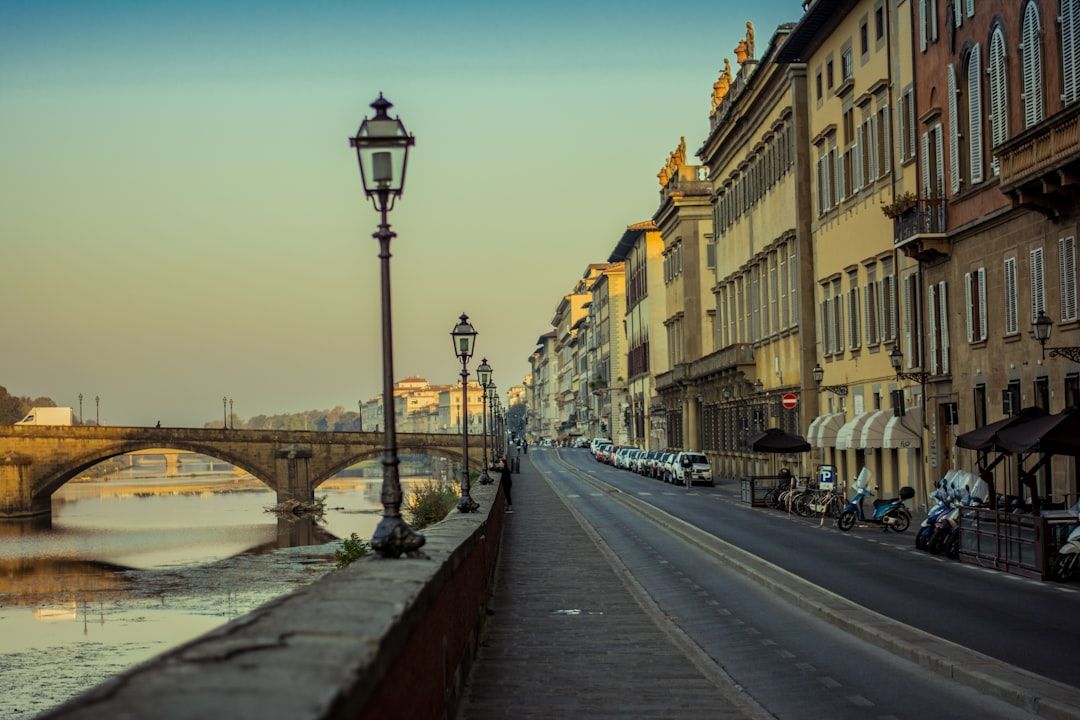
Tolls and lanes
The autostrada network runs on a ticket system: take a ticket entering, pay leaving. Roughly 7 to 9 euros per 100 km.
| Route | Approx toll |
|---|---|
| Florence → Rome | ~€20 |
| Milan → Venice | ~€18 |
| Rome → Naples | ~€15 |
| Bologna → Florence | ~€9 |
At the barrier, use lanes marked with a card symbol or the white Carte sign. The yellow Telepass lanes are for subscribers with a transponder and will strand you in front of a barrier that does not open, reversing in a queue.
The rental details that matter
Book an automatic explicitly if you need one. Manual is the default in Italy, automatics are limited and cost more, and turning up hoping is how people end up not driving.
Bring an IDP if your licence is non-EU. Legally required, occasionally checked, and relevant to whether an insurer pays a claim.
Take the smallest car you can live with. Tuscan lanes, Amalfi coast roads and medieval town car parks were not designed for an estate. The difference between a Panda and a station wagon is the difference between an easy week and constant three-point turns.
Photograph the car thoroughly at pickup — all four corners, wheels and windscreen. Italian rental damage disputes are common and timestamped photographs end them.
Check the fuel type before filling. Most rentals are diesel; misfuelling is covered by no insurance anywhere.
Where the car is worth it
Tuscany and Umbria, Puglia, Sicily, the Dolomites, and the Amalfi coast if you are confident on narrow roads with a lot of coaches.
Where it is not: Rome, Florence, Venice, Naples and Milan. All have ZTLs, expensive parking and fast trains between them. The efficient pattern is trains between cities and a rental only for the rural stretch — collected from a station depot rather than an airport, so you are not navigating out through a city cordon on day one.
Fuel and speed
Petrol runs about €1.75–1.95 a litre. Many stations are unmanned in the evening and take cards at the pump; servito costs more than fai da te.
Speed cameras are widespread and the tutor system measures average speed over a stretch of autostrada rather than at a point, so slowing for the camera does not work. Limits are 130 km/h on the autostrada, 90 on secondary roads, 50 in towns.